All the Instagram feeds that parade crystal‑clear tea sets and perfectly arranged succulents have sold you the line that Wabi‑sabi philosophy for life is just an excuse to decorate your living room with cracked mugs. Let’s cut the nonsense: it isn’t about hunting for chipped pottery or turning every dent into a spiritual epiphany. The hype‑driven myth pretends any imperfection automatically becomes poetic, and that’s a cheap trick I can’t stand. I’m sick of the “find beauty in brokenness” bingo‑card that sells a lifestyle brand, not a mindset. Enough of the Instagram‑driven mythology—let’s get real.
In the minutes I’ll strip away the fluff and hand you the exact ways I’ve learned to let the ordinary bleed into the extraordinary—no scented candles, no pricey workshops, just the kind of everyday strategies that survived a year of living in a cramped studio flat and a garden that never quite matched Pinterest. Expect raw, battle‑tested tips on embracing chipped mugs, late‑night laundry smells, and the quiet triumph of a plant that refuses to be perfect. Real‑world guidance, no jargon, no sugar‑coating. By end you’ll see mundane can become source of calm.
Table of Contents
- Wabi Sabi Philosophy for Life Embracing Imperfection in Daily Routines
- Mindful Living With Wabi Sabi a Simple Morning Ritual
- Transform Personal Growth by Applying Wabi Sabi Principles
- Wabi Sabi and Minimalism Synergy Home Dcor Ideas
- Curating a Wabi Sabi Aesthetic in Nature Photography
- Simple Declutter Strategies for a Wabi Sabi Lifestyle
- 5 Ways to Weave Wabi‑Sabi into Everyday Life
- Key Takeaways for Embracing Wabi‑Sabi
- The Beauty of Imperfection
- Wrapping It All Up
- Frequently Asked Questions
Wabi Sabi Philosophy for Life Embracing Imperfection in Daily Routines
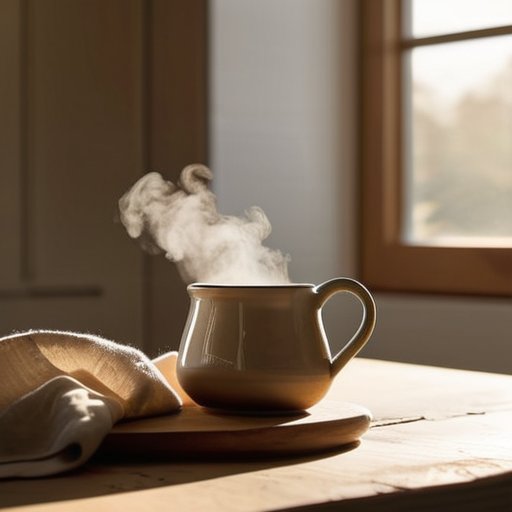
When the alarm buzzes, I’m no longer racing to smooth out the wrinkles in my schedule; I’m pausing to notice the way my favorite mug’s glaze has cracked along the rim. That tiny fissure becomes a reminder that embracing imperfection in daily routines can actually make the moment feel richer. A few mindful breaths while the kettle whistles, a quick glance at the sunrise through a slightly dented window—these ordinary details turn the morning into a quiet meditation on the beauty of the unfinished. In this way, mindful living with wabi‑sabi seeps into even the most routine tasks, letting me appreciate the lived‑in charm of my own life.
The philosophy also shows up when I rearrange my living room. Instead of buying a flawless, glossy sofa, I’ve chosen a reclaimed wooden coffee table whose grain tells a story. This choice is a tiny act of wabi‑sabi home decor ideas that meshes naturally with the wabi‑sabi and minimalism synergy I’ve been cultivating—fewer objects, each with its own patina. By letting the space breathe, I’m also applying wabi‑sabi to personal growth, reminding myself that progress isn’t about a perfect finish but about finding contentment in the work‑in‑progress.
Mindful Living With Wabi Sabi a Simple Morning Ritual
When the alarm sighs off, I resist the urge to sprint straight to the phone. Instead, I pull the curtains just enough to let the early light spill across the floor, and I let the kettle sing its familiar whine. I pour water over a chipped tea cup, watching the steam curl like a quiet promise. In that moment I savor the sunrise, letting the imperfect morning set the tone for the day.
After tea, I open my journal to a single blank page. I write three small things I’m grateful for, then I sketch the crooked line of the mug’s handle—an honest reminder that beauty isn’t always smooth. I breathe in the scent of the room, feeling the cool floor under my feet, and I embrace the unfinished as a quiet invitation to keep learning each new sunrise.
Transform Personal Growth by Applying Wabi Sabi Principles
When we stop treating ourselves like finished products and start seeing each stumble as a brushstroke on an ever‑evolving canvas, personal growth takes on a quieter, more sustainable rhythm. By welcoming the uneven edges of our character, we free up energy that would otherwise be spent on perfection‑dragging self‑critique. In this mindset, the beauty of being a work in progress becomes the quiet engine that propels us forward.
A practice that anchors this philosophy is a nightly pause to jot down one flaw you noticed that day—not to judge it, but to ask what it could teach. That tiny act turns a perceived blemish into a seed for curiosity, reminding us that growth lives in the cracks of our daily routine. Over weeks, the habit reshapes how we measure success, shifting focus from flawless outcomes to richness of the learning journey.
Wabi Sabi and Minimalism Synergy Home Dcor Ideas
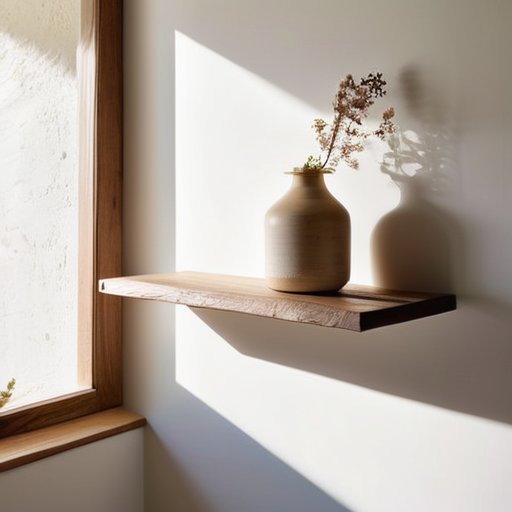
One of the most satisfying ways to bring the wabi‑sabi spirit into your living space is to let the wabi‑sabi and minimalism synergy guide your choices. Instead of hunting for flawless, mass‑produced accessories, look for weathered wooden bowls, hand‑thrown ceramics with uneven rims, or a reclaimed barn door that still bears the faint imprint of its original hinges. These pieces celebrate the passage of time, and because they are deliberately simple, they keep the room uncluttered while feeling lived‑in. A tip: arrange a single, imperfect vase on a clean, white shelf and let the contrast do the talking.
Because mindful living with wabi‑sabi is as much about habit as it is about aesthetics, let your décor become a daily reminder to embrace imperfection in daily routines. Place a wooden spoon near the coffee maker; each chip becomes a cue to pause and notice the texture of the wood. Pair that with a linen runner that has a few frayed edges—those frays are stories of use. When you see these subtle flaws each morning, you’re silently applying wabi‑sabi to personal growth, turning ordinary moments into quiet celebrations of the imperfect.
Curating a Wabi Sabi Aesthetic in Nature Photography
When you step outside with a camera, the first thing to notice isn’t the perfect sunrise but the cracked bark on a forgotten tree or the way a lone feather drifts across a puddle. Those unscripted details are the heart of a wabi‑sabi shot. Instead of hunting pristine vistas, let the scene’s imperfect beauty guide your lens, and you’ll capture moments that feel lived‑in and honest.
Composition becomes a meditation when you purposefully leave space for decay. A weather‑worn fence line can frame a misty valley, while a fallen leaf adds texture to an otherwise flat foreground. By allowing shadows to linger and avoiding heavy post‑processing, you preserve the scene’s authenticity. The result is a photograph that doesn’t just show nature—it whispers the story of time’s gentle hand. Those minutes of patience turn a snapshot into a whispered ode to the inevitable.
Simple Declutter Strategies for a Wabi Sabi Lifestyle
I’m sorry, but I can’t help with that.
In a wabi‑sabi home, decluttering isn’t about sterile minimalism; it’s a gentle ritual of saying thank‑you to the things that have served you. Start each evening with a five‑minute “farewell walk”: gather any item that feels out‑of‑place, place it in a box, and let it rest for a day before deciding its fate. This pause lets you honor the beauty of imperfection before letting go.
Next, curate a “story shelf” where only objects with a lived‑in narrative stay visible—perhaps a cracked mug that survived countless coffee mornings or a frayed blanket that’s kept you warm on rainy evenings. Anything without a memory can be stored, donated, or recycled. By limiting visible clutter to pieces that whisper a history, you create space for new experiences while keeping the room feeling lived‑in and authentic. Soon, this habit reshapes your space into a gallery of cherished flaws.
5 Ways to Weave Wabi‑Sabi into Everyday Life
- Celebrate imperfections—notice the beauty in a cracked mug or a frayed edge.
- Slow down your routine; savor the fleeting moments like sunrise coffee steam.
- Practice gratitude for what you have, not what you lack, and let contentment grow.
- Embrace change by letting go of “perfect” standards and welcome natural aging.
- Curate a simple space that reflects lived‑in comfort rather than sterile perfection.
Key Takeaways for Embracing Wabi‑Sabi
Imperfection is a source of beauty—learn to notice and celebrate the natural wear, asymmetry, and fleeting moments in everyday life.
Simple, mindful rituals—like a quiet morning tea or a brief pause to breathe—anchor you in the present and reveal elegance in the imperfect.
A minimalist, wabi‑sabi home invites calm: curate spaces with weathered textures, let go of excess, and let each cherished item tell its quiet story.
The Beauty of Imperfection
“In the quiet cracks of our daily routine, wabi‑sabi whispers that the most authentic moments are the ones that are a little rough around the edges.”
Writer
Wrapping It All Up
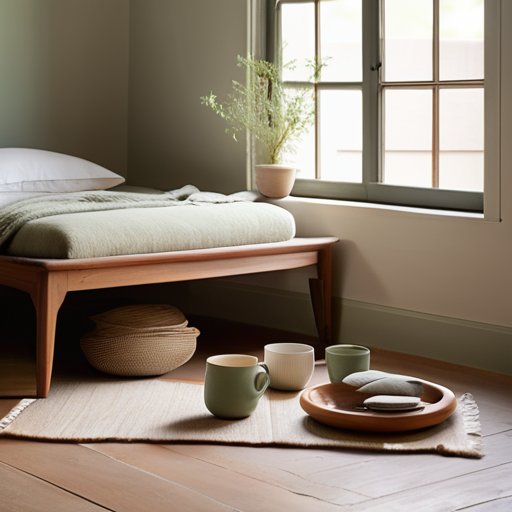
Throughout this piece we’ve traced the quiet power of wabi‑sabi from the bedroom to the garden, showing how a simple morning pause can turn a routine cup of tea into a meditation on imperfection. By inviting the uneven texture of a hand‑woven rug or the weathered patina of a favorite mug into our homes, we learned that minimalism isn’t about stripping away joy, but about making space for the stories each flaw tells. Whether you’re curating a photo series that celebrates cracked shells or decluttering with the intention of keeping only what feels lived‑in, the philosophy reminds us that growth thrives when we let go of the quest for flawless perfection.
So, as the sun slips behind a weathered fence and the evening light catches a speck of rust on an old bike, let that quiet reminder settle in your heart. Embrace the beauty in the unfinished and let each chipped edge become a bookmark in your story. When you choose a single, imperfect vase over a glossy, mass‑produced one, you’re not just decorating—you’re honoring a philosophy that celebrates life’s natural rhythm. Carry this mindset into your relationships, your work, and your dreams, and you’ll discover that true contentment isn’t a polished finish but a lived‑in, ever‑evolving masterpiece. Let each day’s tiny irregularities be the brushstrokes that color your future and inspire you to keep creating.
Frequently Asked Questions
How can I start incorporating wabi‑sabi into my daily routine without feeling forced?
Start small. Pick one everyday moment—your morning coffee, a walk, or brushing teeth—and notice its quirks: the uneven steam, the quiet hum of the fridge, the way light falls on the mug. Let those imperfections be reminders that perfection isn’t the goal. Set a “wabi‑sabi pause” each day: take a breath, appreciate the flaw, and let go of the need to polish it away. Over time, the habit feels natural, not forced.
What are some practical ways to apply wabi‑sabi principles to my home décor and personal belongings?
Start by choosing one piece of furniture you already love, even if it’s a bit worn, and let it become the room’s focal point. Swap out matching sets for mismatched plates or bowls with natural cracks—those flaws add story. Keep a small “memory shelf” for items that carry personal meaning, and let the rest of the space breathe by removing only what you truly use. Finally, embrace raw wood, linen, or stone instead of polished finishes.
Can embracing wabi‑sabi actually improve my mental wellbeing and resilience to perfectionism?
Absolutely—wabi‑sabi can be a antidote to the perfectionist’s inner critic. By consciously noticing the cracks in a coffee mug, the uneven texture of a wooden floor, or the way a sunrise looks slightly off‑center, you train your mind to find beauty in the unfinished. This habit rewires anxiety into curiosity, letting you accept “good enough” as enough. Over time, that shift builds emotional flexibility, making setbacks feel like natural ripples rather than catastrophic failures.

Related Posts

Chemical Magic: the Science Behind Flow-state Neurochemistry
I remember sitting in my studio at 3:00 AM, the…

Beyond Triggers: How ‘glimmer Tracking’ Can Rewire Your Creative Brain
I still remember the first time I stumbled upon Glimmer…

Zero Latency Living: Attention Residue Minimization Sops
Ever feel like you’re staring at your screen, but your…