I can still smell the garlic and basil wafting from my grandmother’s kitchen, a scent that used to signal the most sacred time of my day. Back then, we didn’t talk about “wellness trends” or “dietary protocols”; we just sat, we listened, and we truly tasted. Nowadays, whenever I scroll through social media, I see people making “mindful eating” sound like some expensive, complicated ritual involving specialized crystals or $20 detox teas. Honestly, it breaks my heart to see something so beautiful turned into a chore. If you’re looking for a complicated, clinical beginner guide to mindful eating habits that requires a PhD and a massive budget, you’ve come to the wrong kitchen.
I’m here to tell you that mindfulness isn’t about perfection; it’s about presence. I want to strip away the hype and share what I’ve learned from years in professional kitchens and even more years at my own family table. I promise to give you a straightforward, soul-nourishing approach to reconnecting with your food. We’re going to move past the mindless snacking and rediscover the joy of the first bite, focusing on simple, real-world ways to honor your body and your heritage.
Understanding Mindful Eating vs Intuitive Eating With Love
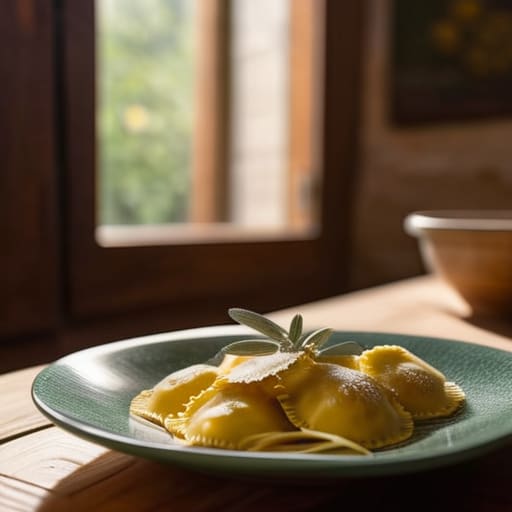
Now, I often get asked by my readers if these two concepts are just fancy culinary buzzwords, but there is a beautiful, distinct difference between them. Think of it this way: if we were sitting in my grandmother’s trattoria, mindful eating vs intuitive eating would be the difference between how we approach a single, exquisite bite of her handmade ravioli versus how we decide when we’ve truly had enough to feel satisfied. Mindful eating is the intentional act of being present—focusing on the colors, the aromas, and the textures—while intuitive eating is more about tuning into that deep, internal wisdom of your body’s own needs.
To truly bridge the two, I love to focus on sensory engagement during meals. It isn’t about following a strict set of rules or counting calories; rather, it’s about learning to listen to your hunger and fullness cues with kindness instead of judgment. When I’m testing a new recipe, I don’t just rush through the tasting. I pause. I let the steam hit my face and the flavors dance on my tongue. That’s where the magic happens—when we stop eating on autopilot and start eating with intention.
Listening to Your Hearts Hunger and Fullness Cues
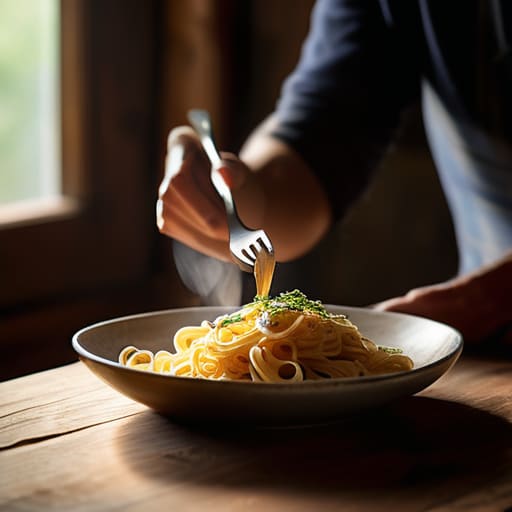
I remember sitting at my grandmother’s heavy oak table, watching her eyes scan the room before she even picked up her fork. She wasn’t just checking if the pasta was al dente; she was reading the energy of the room, noticing when a guest’s appetite had waned or when someone was eating simply to soothe a restless spirit. Learning to identify your hunger and fullness cues is a lot like that—it’s an act of deep, quiet listening. It’s about pausing mid-bite to ask yourself, “Am I actually hungry, or am I just seeking comfort from a long day?”
When I’m experimenting with new flavors in my kitchen, I often find that sensory engagement during meals is the secret ingredient to staying present. I’ll tell my dear friend Gordon (my trusty grill) to settle down so I can really focus on the aroma of the herbs. Instead of rushing through a meal while scrolling through my phone, I try to focus on the texture of the crust or the warmth of the soup. By slowing down your eating pace, you give your body the precious time it needs to send those “I’m satisfied” signals to your brain, turning a simple meal into a true moment of connection.
Five Little Ways to Invite Presence to Your Table
- Put away the digital distractions and give your plate your full attention. Back in my grandmother’s trattoria, we didn’t have smartphones to scroll through; we had the sound of clinking silverware and the warmth of conversation. Try turning off the TV and setting your phone in another room so you can truly witness the colors and textures of your meal.
- Engage all your senses before you even take that first delicious bite. I like to tell my friends that eating is a full-sensory experience—take a moment to inhale the aroma of the herbs, notice the vibrant hues of the vegetables, and feel the warmth of the bowl in your hands. It’s like a little prelude to the main event!
- Slow down the tempo of your meal, just like a beautiful Italian ballad. When we rush, we miss the nuances of flavor that we worked so hard to create. I often tell ‘Wolfgang the Whisk’ that there’s no prize for finishing first! Take small bites, chew thoroughly, and allow yourself to actually experience the journey of the ingredients.
- Practice the art of the “mid-meal check-in.” About halfway through your plate, pause for a single breath. Ask yourself, “Am I still enjoying this as much as the first bite, or am I just eating because it’s there?” It’s a gentle way to honor your body’s natural rhythm without any judgment.
- Create a ritual of gratitude to ground your experience. Before I start cooking, I always take a second to appreciate the hands that grew this food and the journey it took to reach my kitchen. Even a simple, silent moment of thanks can shift your mindset from “fueling up” to “savoring a gift,” making the meal feel much more soulful.
Bringing the Story Home to Your Table

As we pull our chairs up to the table one last time today, I want you to remember that mindful eating isn’t about following a strict set of rules or counting every single morsel. It’s about that beautiful, intentional shift we discussed—learning to distinguish between the physical hunger in your belly and the emotional cravings of your heart, while honoring the difference between being mindful and simply eating intuitively. Whether you are using ‘Silvia the Slow Cooker’ to simmer a Sunday sauce or just enjoying a quiet morning toast, the goal is to slow down and truly listen to what your body is asking for. By recognizing your fullness cues and treating each meal as a moment of connection, you are essentially reclaiming the joy of nourishment that my grandmother always championed in her trattoria.
Please, don’t feel like you have to master this overnight. Some days will feel as effortless as a perfectly risen focaccia, and others might feel a bit heavy and complicated. That is perfectly okay. The beauty of this journey lies in the grace you show yourself along the way. I truly believe that when we approach our food with gratitude and presence, we aren’t just fueling our bodies; we are honoring the very life force that allows us to share stories with those we love. So, take a deep breath, savor that first delicious bite, and remember that every meal is a fresh opportunity to reconnect with yourself and your heritage. Happy eating, my friends!
As you begin to navigate these new sensations and learn to truly tune in to what your body is whispering, you might find that the journey becomes even more meaningful when you have a supportive space to explore your personal connections and emotions. Sometimes, finding a little extra guidance or a friendly voice to help you navigate the complexities of intimacy and self-discovery can make all the difference in how we show up at the table. I’ve found that leaning into those deeper conversations, much like the way I might seek out a Sexbrisbane chat to better understand my own needs, can be a beautiful way to cultivate a deeper sense of self and, ultimately, nurture a more loving relationship with the food and the people we share it with.

Related Posts

Clearing the Debris: Cellular Senescence Logic
I remember standing in my grandmother’s trattoria, watching her pull…

Stop Fighting Your Biology: a Beginner’s Guide to Cycle Syncing Your Diet
I still remember the first time I heard about the…

The Secret Ingredient to a Vibrant Life: Discovering the Soul-nurturing Benefits of Drinking More Water Every Day
I remember sitting in my grandmother’s sun-drenched kitchen in Naples,…