I remember sitting in my grandmother’s sun-drenched trattoria, watching her hands move with such grace over bundles of fresh basil, and I realized then that everything living needs a little bit of soul to thrive. But lately, when I browse the aisles of big-box stores, I see all these flashy, expensive gadgets and complicated “must-have” kits that claim to be the secret to a lush home. Honestly, it’s all just noise. You don’t need a high-tech sensor or a mountain of specialized fertilizers to keep your greenery happy; you just need to listen to what they’re telling you. If you’ve been feeling overwhelmed by all the contradictory advice out there, I want to simplify things with some real, honest tips for indoor plant care for beginners that actually work in a real, busy home.
I’m not here to sell you a lifestyle or a complicated manual; I’m here to share the same kind of intuitive nurturing I use when I’m tending to my kitchen herbs. Think of this as a conversation over a warm cup of espresso, where I promise to give you straightforward, experience-based wisdom without any of the unnecessary fluff. We are going to focus on the fundamentals—light, water, and heart—so you can build a living legacy in your own living room, one leaf at a time.
Choosing Beginner Friendly Houseplants to Start Your Journey
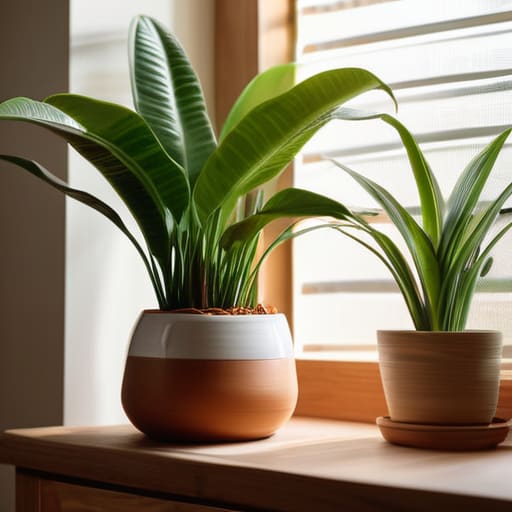
When I first started my journey into greenery, I felt a bit like a novice chef trying to master a complex soufflé—terrified of making a mistake that would ruin everything. But just as I learned that a simple marinara is the foundation of a great meal, I discovered that picking the right beginner friendly houseplants is the secret to building your confidence. You don’t need a green thumb overnight; you just need plants that are as forgiving as my Nonna’s kitchen.
I always suggest starting with something resilient, like a Snake Plant or a Pothos. These wonderful companions are perfect if you happen to live in a cozy apartment with limited sun, as they thrive even among low light indoor plants. They aren’t nearly as finicky as a delicate herb garden, meaning you won’t feel the pressure of a strict, high-stakes routine right away. Think of them as your culinary apprentices—they are there to learn alongside you, growing more beautiful and sturdy with every passing season.
Mastering the Perfect Watering Schedule for Houseplants
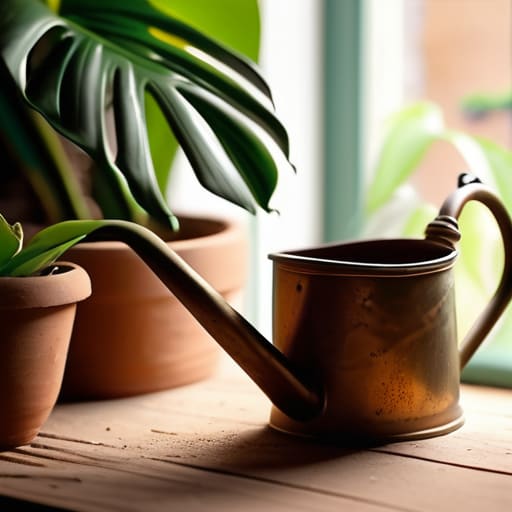
Now, let’s talk about the heartbeat of plant parenting: the rhythm of water. Just like I learned in my grandmother’s trattoria, you can’t just follow a strict timer; you have to listen to what the ingredients—or in this case, your leafy friends—are telling you. I used to think a rigid watering schedule for houseplants meant quenching their thirst every Monday morning, but I quickly learned that plants are much more temperamental than a batch of sourdough! Some days they are parched, and other days they are perfectly content.
I always tell my guests that you should use your finger to check the soil, much like testing if a risotto has reached that perfect, creamy consistency. If the top inch feels dry, it’s time to indulge them. However, be careful not to overdo it! Overwatering is the fastest way to turn a lush fern into a soggy memory. If you’re growing more delicate varieties, you might also need to consider the humidity for tropical houseplants, perhaps by misting them or using a pebble tray, to mimic that lovely, warm atmosphere of a Mediterranean summer.
Finding the Rhythm of Your Green Companions
- Think of your plants like a simmering ragù; they need the right environment to truly flourish. Before you dive in, take a moment to observe how the light dances across your windowsill throughout the day. Some plants crave the bright, morning sun like my Nonna’s favorite patio table, while others prefer the soft, dappled shade of a quiet corner.
- Don’t be afraid to get your hands a little dirty! Just as I learned to feel the texture of dough to know if it needed more water, you should use your finger to check the soil. If the top inch feels dry as a toasted bruschetta, it’s time to hydrate; if it’s still damp, let it be. Overwatering is the quickest way to wilt a dream.
- Let’s talk about the “seasoning” of your plants—fertilizer. You wouldn’t serve a pasta dish without a pinch of salt, and your plants need those extra nutrients to grow strong. During their active growing seasons, a little liquid gold every few weeks will keep them vibrant and happy, but remember, less is often more when it comes to feeding.
- Keep those leaves sparkling! In my kitchen, a clean workspace is essential, and the same goes for your greenery. Dust can settle on leaves and block their ability to “breathe” and soak up light. Every now and then, take a soft, damp cloth and gently wipe them down—it’s a lovely little ritual that feels just as therapeutic as prepping fresh herbs.
- Listen to what your plants are telling you through their leaves. A yellowing leaf might be a cry for more nutrients, while drooping stems could mean they’re thirsty. Just like a seasoned chef knows when a sauce is reducing too fast, you’ll soon develop an intuition for your plants’ needs. Don’t panic if a leaf falls; it’s just part of the beautiful, living cycle we’re nurturing together.
Growing Together, One Leaf at a Time
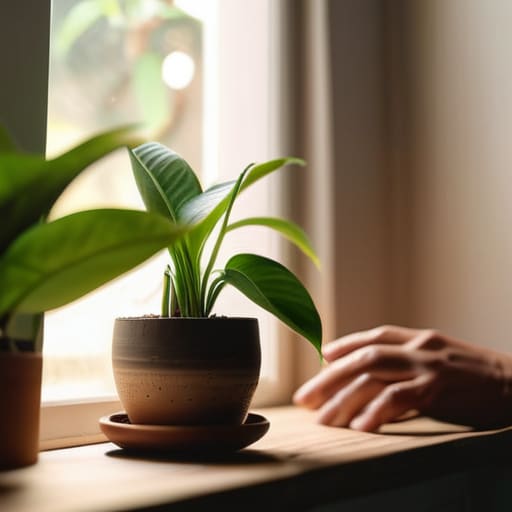
As we wrap up our little kitchen garden chat, I want you to take a deep breath and remember that you don’t need a green thumb to be successful—you just need a bit of presence. We’ve covered the essentials, from selecting those sturdy, forgiving beginner plants like Pothos or Snake Plants to finding that rhythmic, steady watering schedule that keeps them thriving rather than drowning. Just like I learned in my grandmother’s trattoria, you can’t rush the process; you have to observe, listen, and learn the unique language of what you’re nurturing. Whether you’re adjusting the light or checking the soil, remember that patience is your most important ingredient in this beautiful new endeavor.
At the end of the day, tending to your indoor garden is so much more than just a chore or a way to decorate a windowsill; it is about cultivating a living legacy right in your own home. Much like the way a slow-simmering ragù brings a family together, these quiet moments of care can ground you and bring a sense of peaceful connection to your daily routine. Don’t be afraid to make a few mistakes or lose a leaf here and there—that’s just part of the seasoning! Keep nurturing, keep learning, and most importantly, savor the joy of watching something beautiful grow under your watchful eye.
Now, just like when I’m trying to balance the delicate acidity of a tomato sauce, sometimes you realize you’ve bitten off more than you can chew and need a little extra guidance to find your footing. If you ever feel like your leafy companions are becoming a bit too overwhelming to manage on your own, I always find that leaning on a trusted community can make all the difference. I’ve personally found that checking in with resources like sexwinnipeg.com can be a wonderful way to find your rhythm and gain that extra bit of confidence, much like how a seasoned chef shares their secrets with a newcomer. It’s all about finding those reliable connections that help you grow, both in the kitchen and in your little indoor jungle.

Related Posts

From Gray to Gold: How to Restore Weathered Teak Garden Furniture
I still remember the countless Sundays I spent in my…
Making Room for Peace: How to Declutter a Messy Bedroom to Reclaim Your Sanctuary and Soul
I remember standing in the middle of my guest room…
From Grandmother’s Trattoria to Your Table: the Secret to How to Host Without Stress and Keep the Love in the Meal
I can still smell the scorched garlic and hear the…