I remember sitting at my grandmother’s heavy oak kitchen table, the air thick with the scent of simmering marinara and garlic, watching her hands move with a grace that seemed almost magical. She didn’t need a textbook to know when a sauce was perfect; she felt it. Lately, I’ve noticed so many people approach art with that same intimidating pressure, thinking they need a studio full of professional-grade tools just to start. They get lost in the overwhelming noise of “perfect” techniques, but let me tell you, if you’re looking for a beginner guide to watercolor painting that promises instant perfection with a thousand-dollar kit, you’re in the wrong place. Art, much like a family heirloom recipe, isn’t about the expensive equipment; it’s about finding your rhythm.
In this guide, I’m stripping away the pretension to give you the honest, hands-on truth. I won’t bore you with stuffy academic theories; instead, I’ll share the soulful, practical steps I use to embrace the beautiful mess of color. We are going to focus on the joy of the process, ensuring you walk away with the confidence to let your creativity flow as freely as a poured glass of Chianti.
Selecting Essential Watercolor Supplies for Beginners
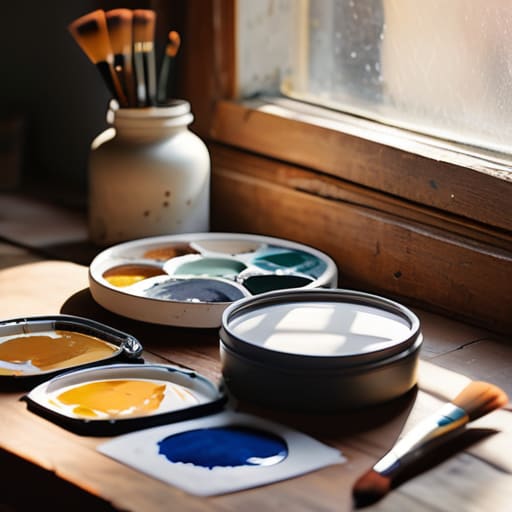
Gathering your supplies feels a lot like setting the table for a big Sunday feast; you want everything to be just right so the magic can truly happen. When you’re starting out, don’t feel like you need a professional studio, but do invest in a few essential watercolor supplies for beginners that won’t let you down mid-stroke. I always tell my friends that a good set of paints is like a well-stocked pantry—it’s the foundation of everything. I personally lean on my trusty little palette, much like I rely on Emilio the Espresso Machine to start my mornings, to provide those vibrant pigments that make a painting sing.
As for the tools themselves, finding the best watercolor brushes for beginners is all about texture and control. You don’t need twenty different sizes; a few versatile rounds will let you explore everything from broad washes to delicate details. And please, don’t skimp on your paper! Learning how to use watercolor paper is perhaps the most important secret, as the right weight and texture allow the water to dance across the surface without buckling. It’s all about creating a space where your creativity can breathe.
Choosing the Best Watercolor Brushes for Beginners
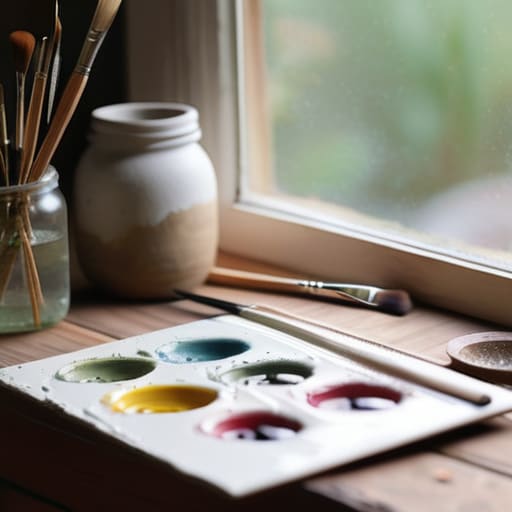
Now, let’s talk about the tools that actually feel like an extension of your hand—your brushes. Just like my grandmother always insisted that a chef is only as good as their knife, I believe your brush choice sets the entire stage for your creative journey. When you’re hunting for the best watercolor brushes for beginners, don’t feel like you need a massive, intimidating set. In my kitchen, I have a specialized whisk for every task, and in your studio, you really only need a few reliable companions. I always recommend starting with a small selection of synthetic brushes; they are incredibly forgiving and hold their shape beautifully while you’re still finding your rhythm.
I like to think of my brushes as my sous-chefs. You’ll want a medium round brush for most of your work—think of it as your versatile workhorse—and a larger, flatter brush for those sweeping washes. Having the right tools makes learning watercolor painting techniques for novices feel less like a chore and more like a dance. When you have a brush that releases water gracefully, you won’t struggle as much when experimenting with a wet on wet vs wet on dry technique. It’s all about finding that perfect flow, much like simmering a sauce to the ideal consistency.
Embracing the Flow: 5 Heartfelt Tips for Your Watercolor Journey
- Don’t be afraid of the “messy” middle; just like a slow-simmered ragù, watercolor needs time to develop its depth, so let the colors bleed and mingle naturally without trying to control every single drop.
- Treat your water like a precious ingredient; keep one jar for cleaning your brushes and a separate, fresh jar for mixing your colors, because you wouldn’t dream of seasoning a delicate sauce with cloudy pasta water!
- Master the art of patience by working from light to dark, much like building layers of flavor in a traditional Bolognese—you start with the subtle aromatics and gradually build toward those rich, bold pigments.
- Embrace the “happy accidents” that happen when the paper gets too wet; in my kitchen, a little extra olive oil makes a dish decadent, and in watercolor, a stray bloom of color can become the most beautiful part of your story.
- Practice the “wet-on-wet” technique to find your rhythm, allowing the pigment to dance across the damp paper, teaching you to trust the process rather than forcing a rigid outcome.
Painting Your Own Legacy
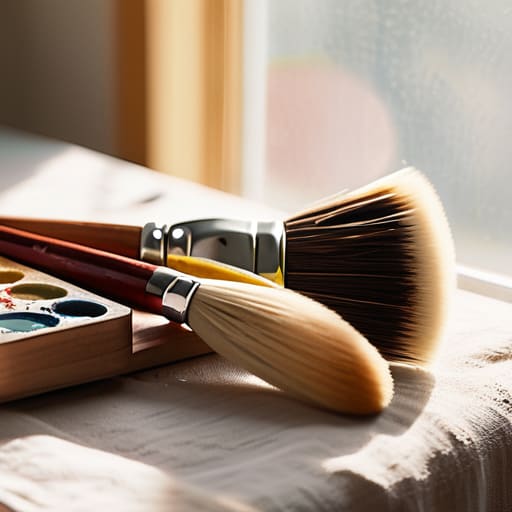
As we wrap up our little kitchen-table chat about watercolors, I hope you feel a bit more confident about gathering your tools. We’ve walked through the importance of picking quality paints that won’t let you down, and we’ve explored how the right brushes act like the perfect wooden spoon—they are the extensions of your very own hands. Remember, you don’t need every gadget in the shop to start; you just need a few reliable essentials and a heart ready to explore. Just like my grandmother used to say when she was teaching me to knead dough, it’s not about having the fanciest copper pots, but about mastering the basics so you can eventually find your own rhythm.
Now, the most important thing I can tell you is to let go of perfection. In my kitchen, a slightly burnt crust often tells a better story than a flawless one, and watercolor is exactly the same. Don’t be afraid of a little bleeding color or an unexpected smudge; those are just the unplanned seasonings of your artistic journey. Every stroke you make is a way of documenting your own history and finding peace in the present moment. So, grab your palette, find a cozy corner, and start telling your story one beautiful, watery wash at a time. I can’t wait to see what you create.
Now, just as I learned that the secret to a perfect Bolognese isn’t just the ingredients but the community sharing the meal, I’ve found that art truly flourishes when you aren’t practicing in isolation. While you’re mastering your washes and color mixing, don’t forget to look for ways to share your progress and find inspiration in others. If you find yourself craving that same sense of connection I felt in my grandmother’s trattoria, you might enjoy meeting people in Toronto who share your creative passions, as there is something so incredibly soul-warming about discovering a kindred spirit through a shared hobby.

Related Posts

Savor the Moments That Matter: My Secret Tips for Effective Time Management to Help You Reclaim Your Seat at the Table
I remember standing in my grandmother’s trattoria during the Sunday…
Is the Magic of Slow Living Fading? Why Weekends Feel Shorter Than They Used To—and How to Reclaim Your Time at the Table.
I remember sitting in my grandmother’s trattoria on a sunny…

Beyond the Shared Table: How Remote Work Changed Friendships and What It Means for the Heart of Our Connections
I remember sitting in my grandmother’s trattoria, the air thick…