Ever thought about how to make your baking even better? Adding a bit of liquor can really change the game. Imagine the smell of a homemade pie with a touch of bourbon or a chocolate cake with rum. It’s a whole new level of delicious.
Using alcohol in baking is a secret to amazing flavors. It not only boosts the taste but also makes your treats moist and full of flavor. You can try it with cakes, pies, cookies, and bread. There are so many ways to play with different alcohols.

Adding alcohol to your baking is a fun way to get creative. A little vodka in pie dough makes it extra flaky. It also helps mix fat and water better, making your treats taste better. And vodka makes pie dough and cakes tender and moist without making them tough.
Choosing the right alcohol is key. You can pick from liqueurs like chocolate, hazelnut/coffee, and strawberry, wines like Sauvignon Blanc and Chardonnay, or spirits like rum and whiskey. Each one adds its own special flavor to your baking.
Key Takeaways:
- Adding alcohol to baked goods can enhance their flavor and texture.
- Vodka can be used to improve the texture of pie dough and cakes.
- The choice of alcohol depends on the desired flavor profile.
- Experimenting with different types of alcohol can lead to delicious and unique baked goods.
- When using alcohol in baking, start with a small amount and adjust to taste.
Tips for Adding Alcohol to Baking
When adding alcohol to your baking, remember a few key tips. Start by adding alcohol like you would vanilla extract. This keeps the flavor balanced and enjoyable.
Alcohol changes the texture and taste of desserts. Use it with care. Some desserts get better with alcohol added after baking.
Choosing the right alcohol can boost dessert flavors. Dark chocolate goes well with merlot or port. Plums and berries pair nicely with Moscato or Sherry. Find the perfect match for your dessert.
Try new things in the kitchen with alcohol substitutions. Vodka makes pastry flaky, while wine keeps cakes moist. Creamy liqueurs like Baileys add a rich touch to desserts.
Pick an alcohol that fits your dessert’s theme. Different alcohols highlight different flavors. Use alcohol you like to make the dessert better.
The alcohol content in your desserts can change with cooking time. A study showed 5 to 85 percent of alcohol can stay in a recipe. Let your desserts cool to remove harsh alcohol taste.
Alcohol can replace extracts in baking, offering new flavors. Liquors like rum or bourbon add unique tastes to your recipes. Try them in pie fillings, cake mixes, or cookie dough.
Alcohol can make your baked goods better by adding flavor and texture. Use it in pie dough or frostings for a boost. Frostings can have special flavors like Mint Julep or Coconut Rum.
Alcohol doesn’t always need to be baked out. It can be used in frostings for full flavor. Keep the alcohol concentration at about 1% ABV for the best taste.
Get creative in the kitchen with alcohol in your baking. With the right approach and some experimentation, you can make desserts that will wow everyone.
Tipsy Frostings for Boozy Flavors
Adding a boozy kick to your cakes or cupcakes is easy with tipsy frostings. Start with a basic buttercream frosting recipe. Then, add different mix-ins for unique flavors.
The Mint Julep frosting is a great choice. To make it, reduce the milk in your buttercream and add bourbon. This creates a creamy frosting with mint and a hint of booze. Top it with fresh mint leaves for a complete experience.
For a tropical twist, try the Coconut Rum frosting. Reduce the milk and add coconut rum for a luscious frosting. Sprinkle shredded coconut on top for an extra touch, taking you to a beach paradise.
If you like fruity cocktails, go for the Cosmo frosting. Add cranberry-flavored vodka and red food coloring to your buttercream. Finish with lime zest for a tangy, citrusy flavor that makes you want a Cosmo cocktail.
The Lemon Drop frosting is ideal for those who love zesty treats. Mix in limoncello or lemon-flavored vodka for a bright, citrusy delight. This frosting will elevate your cupcakes to new heights.
Sangria fans will love the Sangria frosting. Combine brandy, fruity red wine, and red food coloring with your buttercream. You get a rich, wine-infused frosting with a hint of warmth. Top it with sliced oranges for a festive look.
These boozy frostings are not only tasty but also versatile. Pair the Mint Julep with chocolate cake, the Coconut Rum with vanilla, the Cosmo with raspberry cupcakes, the Lemon Drop with lemon cake, and the Sangria with spiced red velvet cake.
Enjoying these tipsy frostings will take your baked goods to the next level. They’re perfect for special occasions or just because. Your guests will be impressed and want more.
Stay tuned for the next section where we’ll explore the role of alcohol in glazes and icings!
The Role of Alcohol in Glazes and Icings
Glazes and icings are a great way to finish off your cakes and pastries. Traditional recipes use powdered sugar, milk or water, and vanilla extract. But adding alcohol can take your desserts to the next level. Imagine a glossy glaze with bourbon or an icing with rum.
Glazed cakes and pastries offer endless possibilities. Picture a lemon pound cake with an Armagnac glaze, adding sophistication and depth. Or a warm plum cake with rum glaze, full of comforting and boozy flavor. Using your favorite alcohol lets you try new flavor mixes and make unique treats.
Alcohol not only adds flavor but also makes your glazes shiny. It evaporates quickly, leaving a beautiful finish. Choosing an alcohol that matches your cake’s flavors can make the taste even better.
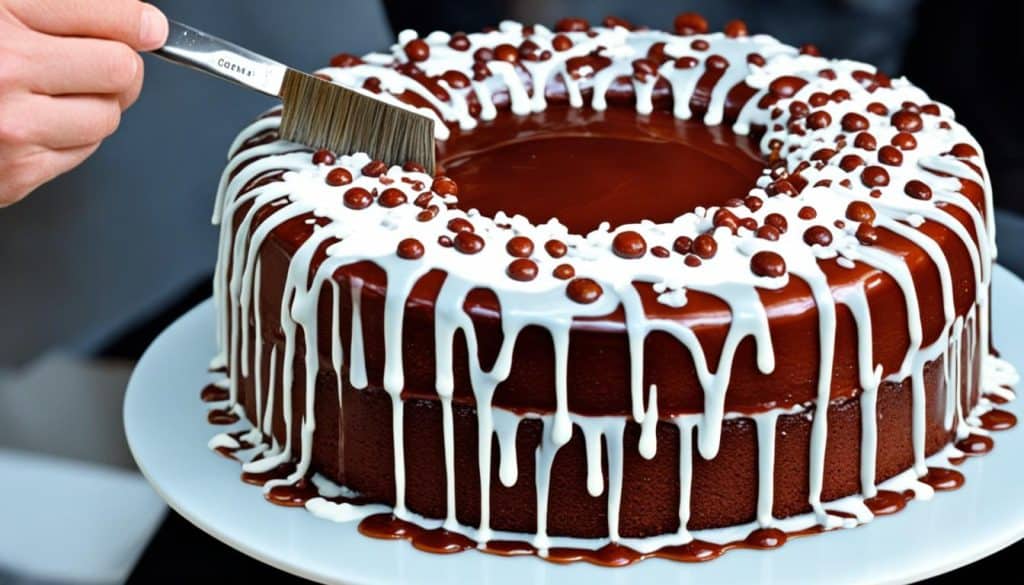
Starting with alcohol in glazes and icings is simple. Just swap out the extract in your recipe with alcohol. For instance, add bourbon to a Chocolate Brownie Mousse Cake or 2-4 tablespoons to a Caramelised Banana Upside-Down Cake. You can try many different alcohols and be creative.
Try different alcohols to find the best flavor for your desserts. From amaretto to champagne, cream liqueur to gin, and red wine to vodka, each one adds its own taste. So, add a bit of booze to your desserts and make them the star of the show.
Spiked Desserts and Substituting Alcohol
Want to make your desserts more exciting? Try adding a bit of alcohol to your favorite recipes. This can add new flavors and make your desserts stand out. For instance, rum can add warmth and sophistication to your brownies.
When using alcohol in desserts, think about the texture and how it will bake. It might change the texture a bit, but it can still make your desserts moist and tasty. So, feel free to get creative and try new things!
If you don’t like alcohol or want to avoid it, there are other options. You can use extracts, flavored syrups, or other non-alcoholic drinks to get the same flavors without the alcohol. This way, everyone can enjoy the fun of spiked desserts.
Here are some popular recipes that use alcohol:
- Apple pie with dark rum – a dessert for adults that adds a cup of top-shelf dark rum for a rich flavor.
- Limoncello dessert – where the sweet, potent Italian lemon liqueur is used along with ricotta cheese, fresh lemon juice, and basil for added flavors.
- Pecan pie with apple brandy – a scrumptious pie that incorporates apple brandy, turbinado sugar, maple syrup, and honey.
- Tart with bourbon – carefully heated with sugar and added to a tart to provide a smoky flavor component.
These are just a few examples, but there are many more creative ways to use alcohol in desserts. You can add it to cakes, pies, ice creams, puddings, cookies, truffles, and cheesecakes. The possibilities are endless with spiked desserts.
For those who love to experiment with flavors, trying different alcohol substitutes can be fun. You can play around with different options to find what you like best. Remember to adjust the amounts to get the flavor you want.
Some recipes suggest soaking ingredients in alcohol before using them for the best taste. Paying attention to these steps can really improve your dessert.
But, not everyone wants to use alcohol in their desserts. If you prefer not to or need to make something for a wider audience, there are plenty of non-alcoholic substitutes. For example, you can swap rum with eggnog or use flavored extracts for similar tastes.
When serving spiked desserts, remember to be considerate and clear about the alcohol content. Make sure to let people know if a dessert has alcohol, especially if you’re serving it to kids or those who don’t drink.
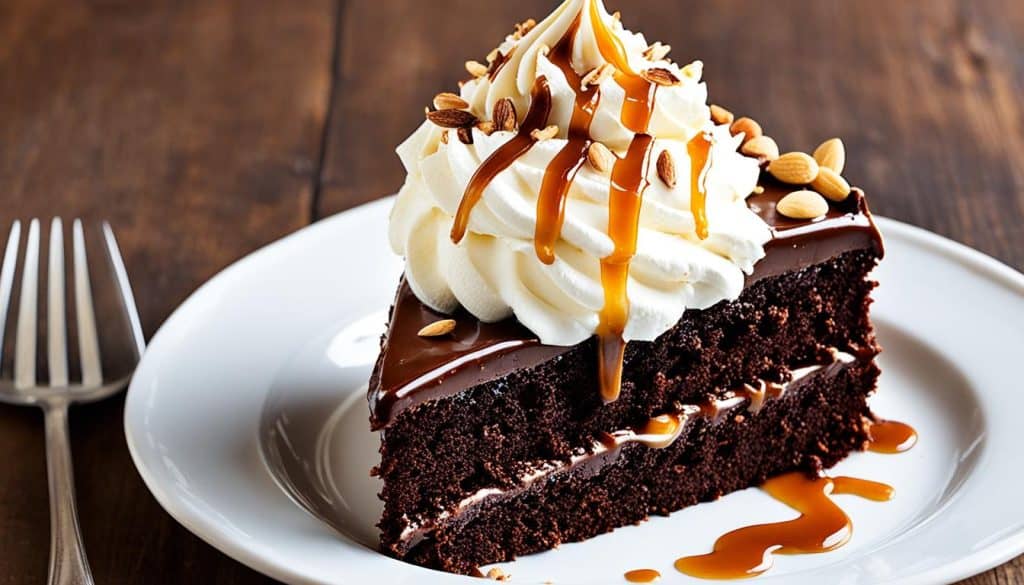
In summary, spiked desserts can add a fun twist to your baking. Whether you choose to use alcohol or find substitutes, there are many ways to make your desserts special. So, go ahead and explore the world of spiked desserts to find your new favorite treat.
Conclusion
Baking with liquor is a fun way to make flavors pop and try new recipes. Adding alcohol to your baked goods brings a special taste and smell. You can use bourbon and rum in pies or vodka for a flaky texture.
Alcohol can make your frostings and glazes exciting. Be bold in the kitchen and experiment with your favorite spirits. There are many ways to make tasty and flavorful treats.
Some people worry about alcohol in cooked dishes for ethical or religious reasons. But studies say most cooked dishes have very little alcohol left. How you cook and cover your pot affects how much alcohol evaporates.
In the end, baking with liquor makes your cooking more exciting. So, pick your favorite wine or spirits and start baking. Enjoy making flavors better and trying new recipes as you learn to bake with alcohol!

Related Posts


Tips for Baking the Perfect Cake
Remember that cozy Sunday afternoon when the air was filled…

Vegan Baking Tips for Delicious Dairy-Free Treats
If you're new to vegan baking, it might seem tough…